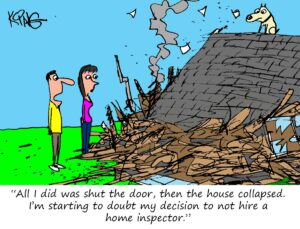
One of the questions I get asked most often is, “What are the biggest problems you usually find?”
The truth is, every home is different. I’ve inspected everything from newer homes that needed only a few minor repairs to older homes with a long list of maintenance issues. No house is perfect, and that’s not really the point of a home inspection.
My job isn’t to “pass” or “fail” a home. It’s to give you a clear picture of its current condition so you can make informed decisions before moving forward.
Here are the ten issues I find most often during my inspections.
1. Water Intrusion and Moisture Issues
If there’s one thing I pay close attention to, it’s water. Water has a way of causing
damage quietly over time, and by the time you notice it, the repair bill can be much larger than expected.
I commonly find moisture issues in basements, crawl spaces, around windows and doors, under sinks, and in attics. Sometimes it’s just a minor leak. Other times it’s a sign of a larger issue that deserves further attention.
2. Roofing Problems
Your roof works hard every day, and eventually it starts to show its age.
During inspections, I often find missing or damaged shingles, deteriorated flashing, worn sealants, or signs that the roof is simply nearing the end of its service life. Not every roof issue means replacement is around the corner, but it’s important to understand what you’re buying.
3. Electrical Safety Concerns
Electrical issues are some of the most important findings because they can affect both safety and functionality.
Some of the more common problems I see include missing GFCI protection, double-tapped breakers, exposed wiring, and amateur electrical repairs. Many of these issues are straightforward to correct, but they’re definitely worth identifying before you move in.
4. Plumbing Leaks
It’s amazing how much damage a slow drip can cause.
I frequently find small leaks under sinks, around toilets, at water heaters, or in other plumbing connections. Left alone, these leaks can lead to mold, wood rot, and damaged cabinets or flooring. Catching them early can save homeowners a lot of money.
5. HVAC Maintenance Issues
Heating and cooling systems don’t usually fail overnight. More often, I see signs that routine maintenance has been overlooked.
Dirty filters, neglected servicing, restricted airflow, and aging equipment are all common observations. Regular maintenance goes a long way toward keeping these systems running efficiently and extending their lifespan.
6. Foundation and Structural Concerns
Foundation cracks can understandably make buyers nervous, but not every crack is a major structural issue.
During an inspection, I’m looking for patterns that could indicate movement or settlement, such as uneven floors, sticking doors or windows, or larger structural concerns. If I see something that needs additional evaluation, I’ll explain why and recommend the appropriate next step.
7. Poor Drainage Around the Home
One issue that’s easy to overlook is how water drains around the outside of the house.
I’ve seen many homes where the ground slopes toward the foundation instead of away from it. Over time, that can contribute to basement moisture, foundation movement, and erosion. Sometimes improving drainage is a relatively simple fix that helps prevent bigger problems later.
8. Attic Ventilation Problems
Most homeowners don’t spend much time thinking about their attic, but I do.
Poor attic ventilation can contribute to excessive heat, moisture buildup, mold growth, and even shorten the life of the roof. It’s one of those areas that often goes unnoticed until it starts causing problems elsewhere in the home.
9. DIY Repairs That Miss the Mark
I appreciate homeowners who like to tackle projects themselves, but I also come across plenty of DIY repairs that weren’t completed safely or correctly.
Improper electrical wiring, makeshift plumbing fixes, poorly built decks, or altered structural components are all things I encounter from time to time. These aren’t always expensive to correct, but they’re important to identify so there aren’t any surprises later.
10. Deferred Maintenance
Sometimes it’s not one major issue that stands out—it’s a collection of smaller ones.
Peeling paint, clogged gutters, worn caulking, damaged weatherstripping, and other signs of deferred maintenance tell me the home may not have received consistent care over the years. Individually, these items may be minor, but together they can lead to more costly repairs if they’re ignored.
Every Home Has a Punch List
One thing I always tell my clients is that every home has a punch list. Even brand-new homes have defects, and older homes naturally have more wear and tear.
The purpose of a home inspection isn’t to scare you away from buying a house. It’s to help you understand what you’re buying so there are fewer surprises after you get the keys.
Whether I find a handful of minor maintenance items or a few larger concerns, my goal is always the same: to provide a thorough, honest inspection and explain my findings in a way that’s easy to understand. When you leave the inspection, I want you to feel informed and confident about your next steps!